

Charcoal jikos
Key Features
• Traditional clay or metal construction
• Uses charcoal as primary fuel source
• Affordable and locally available
• Retains heat for extended cooking
• Available in multiple sizes for home or business
• Simple ash removal system
• Portable and lightweight design
• Ideal for preparing ugali, stews and tea
• Widely used in Kenyan households and food stalls
• Replacement liners available for clay models
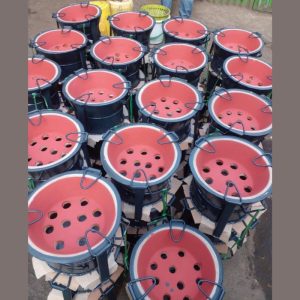
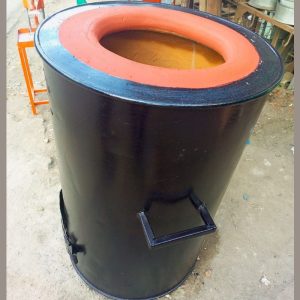
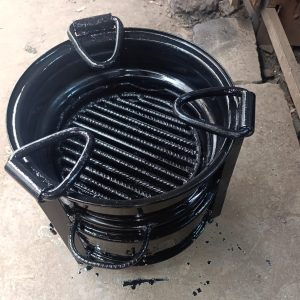
A charcoal jikos is a stable cooking appliance in thousands of Kenyan homes and food stalls. Its simple design has remained unchanged for generations, yet it outperforms many modern stoves for specific tasks. Understanding how a charcoal jikos works helps explain its enduring popularity. A metal or clay bowl holds glowing charcoal pieces, while a cooking pot sits above the heat source. The open design allows oxygen to reach the fire, keeping charcoal burning hot for hours. Unlike gas or electric stoves, a charcoal jikos requires no complicated parts or external power. This simplicity means less can break, and repairs are usually cheap.
Fuel efficiency is a main concern for charcoal jikos users. Traditional metal jikos waste significant heat because thin walls allow warmth to escape in all directions. Improved versions address this problem with ceramic liners or double wall construction. These designs trap heat inside the combustion chamber, directing it upward toward the cooking pot instead of out into the room. Users report using 30 to 40 percent less charcoal with an improved jikos compared to a basic metal one. Over weeks and months, this saving adds up to real money that stays in your pocket.
Cooking performance on a charcoal jikos is excellent for certain dishes. Ugali benefits from steady, even heat that prevents burning while ensuring thorough cooking. Stews and beans simmer beautifully for hours, developing deep, rich flavors. Tea boils rapidly, and fried foods achieve crispy exteriors without greasiness. The ability to adjust heat by tapping ash from the grate or partially covering the top gives experienced users fine control over cooking temperatures. Many cooks prefer charcoal for specific recipes because the subtle smoky flavor enhances traditional dishes in ways that gas cannot replicate.
Health impact of charcoal cooking deserves attention. Traditional open fires produce large amounts of smoke that fills kitchens and living spaces. Breathing this smoke daily causes eye irritation, coughing, and long term lung damage, especially for women and children who spend hours near the cooking area. Improved charcoal jikos reduce smoke significantly. Better airflow allows charcoal to burn more completely, producing less particulate matter. A chimney attachment can direct remaining smoke outside, improving indoor air quality. These health benefits alone justify switching to an improved model for many families.
Maintaining your charcoal jikos extends its life significantly. Empty ash daily to keep airways clear. Remove the ceramic liner periodically and brush off accumulated soot. Check the metal outer body for rust, especially near the bottom where moisture collects. Lightly sand rust spots and apply high temperature paint to prevent further corrosion. Replace the liner when cracks appear, usually every six to twelve months. Store the jikos in a dry place during heavy rain to prevent water damage to clay components.
Size selection matters for getting the right charcoal jikos. Small home versions hold enough charcoal for cooking one or two pots, suitable for families of four to six people. Large commercial versions serve food stalls and cafes preparing dozens of meals daily. Some models feature multiple cooking rings, allowing you to place several pots of different sizes on the same jikos. Consider your typical cooking load before purchasing. Buying too large wastes charcoal. Buying too small leaves you struggling to cook enough food.
Bringing everything together, the charcoal jikos remains an essential cooking tool for millions of Kenyans. Its reliable design requires no electricity. Fuel efficiency saves money on charcoal. Excellent cooking delivers authentic flavors for traditional dishes. Health focused designs reduce smoke exposure. Simple maintenance keeps the jikos working for years. Whether cooking ugali for family or running a busy food stall, a charcoal jikos will serve you reliably every day.
Be the first to review “Charcoal jikos”
Related products
-
Clay jiko
Original price was: KSh1,000.KSh800Current price is: KSh800. -
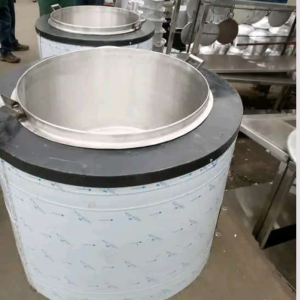
School boiler jiko
Original price was: KSh180,000.KSh160,000Current price is: KSh160,000. -
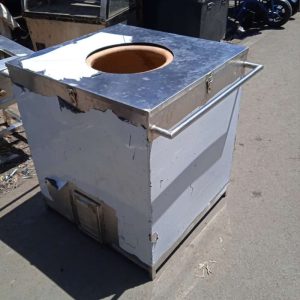
Tandoori Stainless Steel
Original price was: KSh41,000.KSh35,000Current price is: KSh35,000. -
House bonfire
Original price was: KSh2,000.KSh1,500Current price is: KSh1,500. -
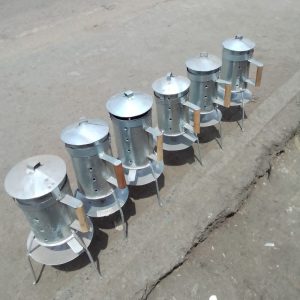
Charcoal Oven commercial
Original price was: KSh12,000.KSh10,000Current price is: KSh10,000. -
Tandoori Oven
Original price was: KSh30,000.KSh28,000Current price is: KSh28,000.
Reviews
There are no reviews yet.